Risk and Discipline
No emotional reactions


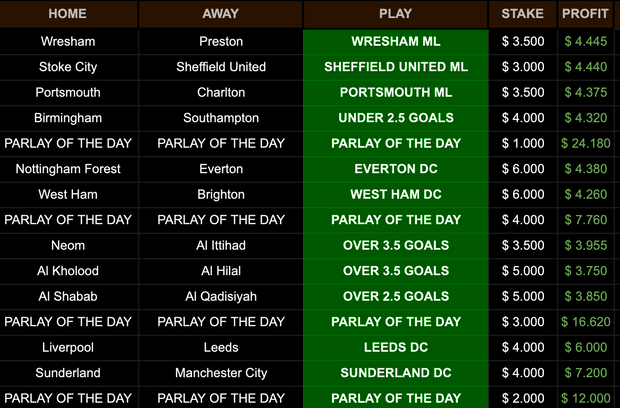
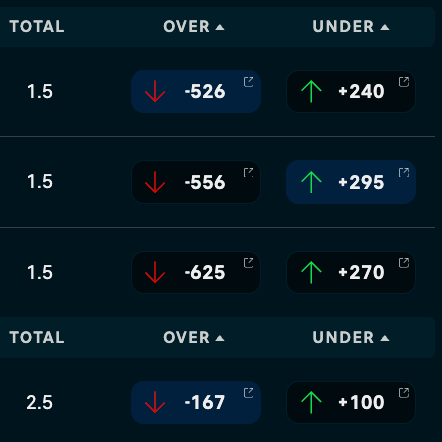
Markets are the execution layer.
Context is the filter.
Price action, liquidity, and timing define when to act.
Team context defines whether action makes sense.
Neither works in isolation.
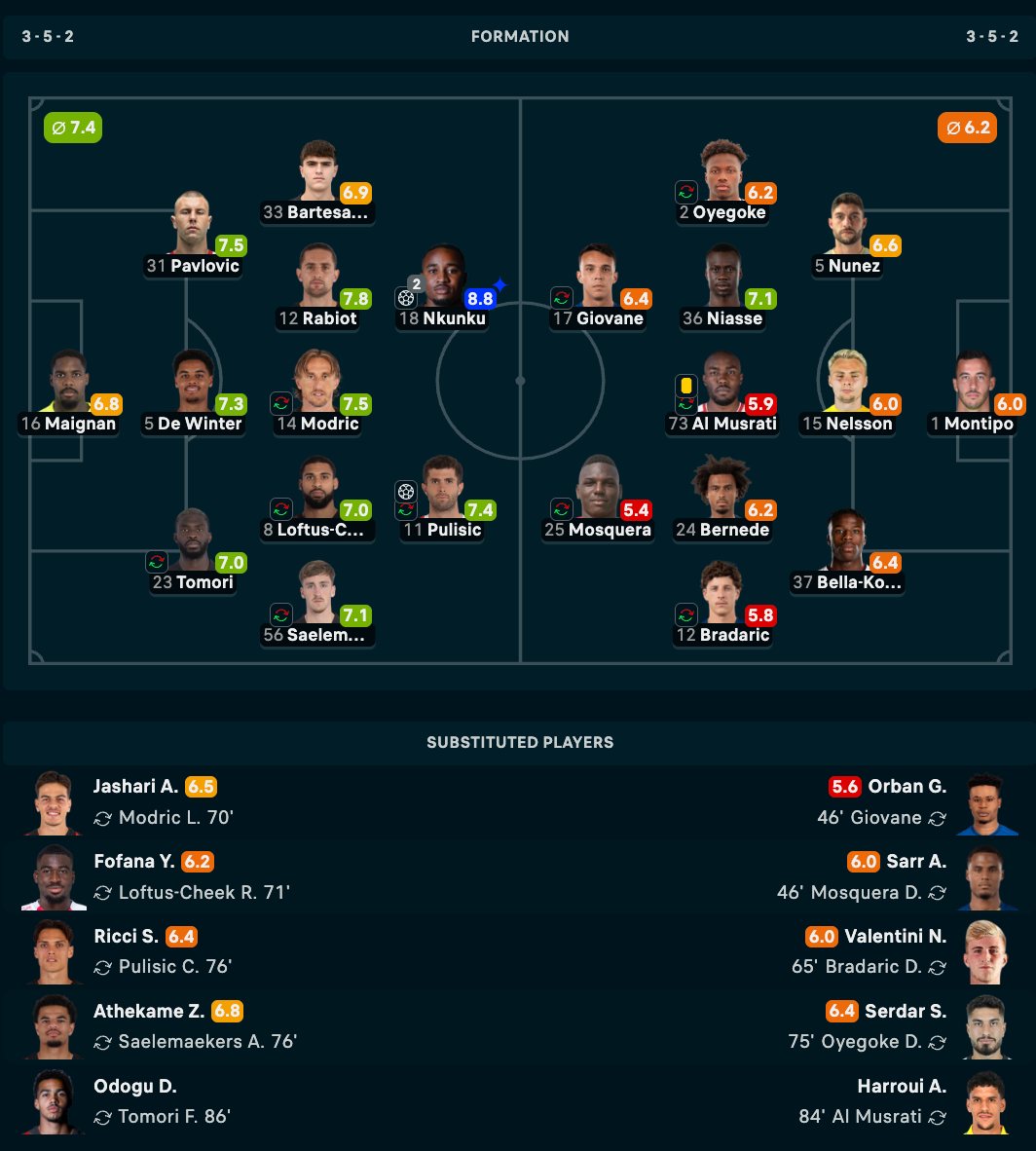
Teams are followed continuously, not episodically.
This includes:
- Daily team news
- Tactical changes
- Internal instability or cohesion
- Public pressure and media narrative
Understanding teams deeply creates informational advantage that markets often price late or incorrectly.

Performance is not only tactical.
The relationship between:
Coach/Players/Supporters
must be aligned for a team to perform consistently.
When this triangle breaks, results deteriorate regardless of underlying quality.
When it aligns, teams often overperform market expectations.
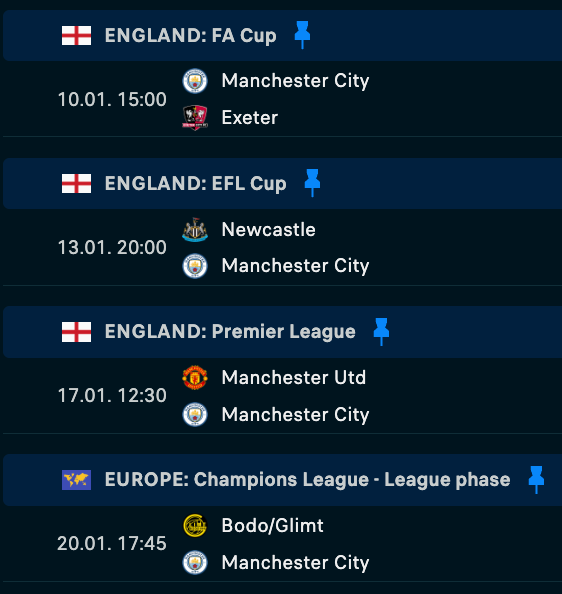
A season is not a single continuous entity.
There are two distinct phases:
- Before the winter transfer market
- After the winter transfer market
Teams can effectively become different entities after January.
Mixing these phases leads to false conclusions and mispriced probabilities.
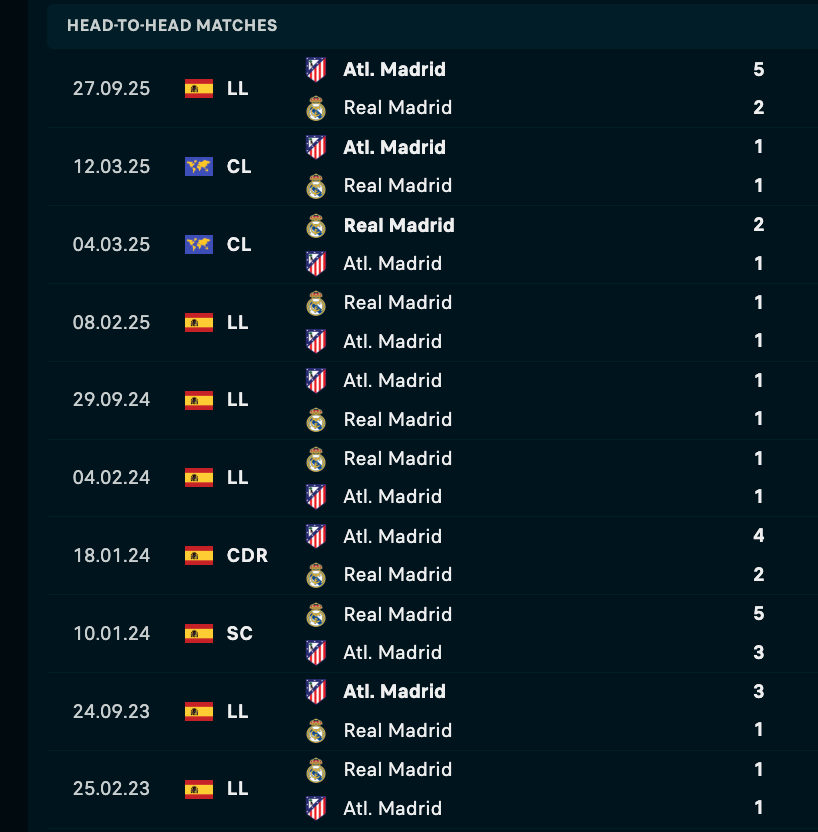
Long-term knowledge of teams and leagues matters.
Years of detailed exposure to major European leagues create pattern recognition that data cannot replace.
History is not used blindly.
- Some past matchups are irrelevant
- Others matter deeply
The difference lies in identifying whether a historical pattern has a structural explanation.
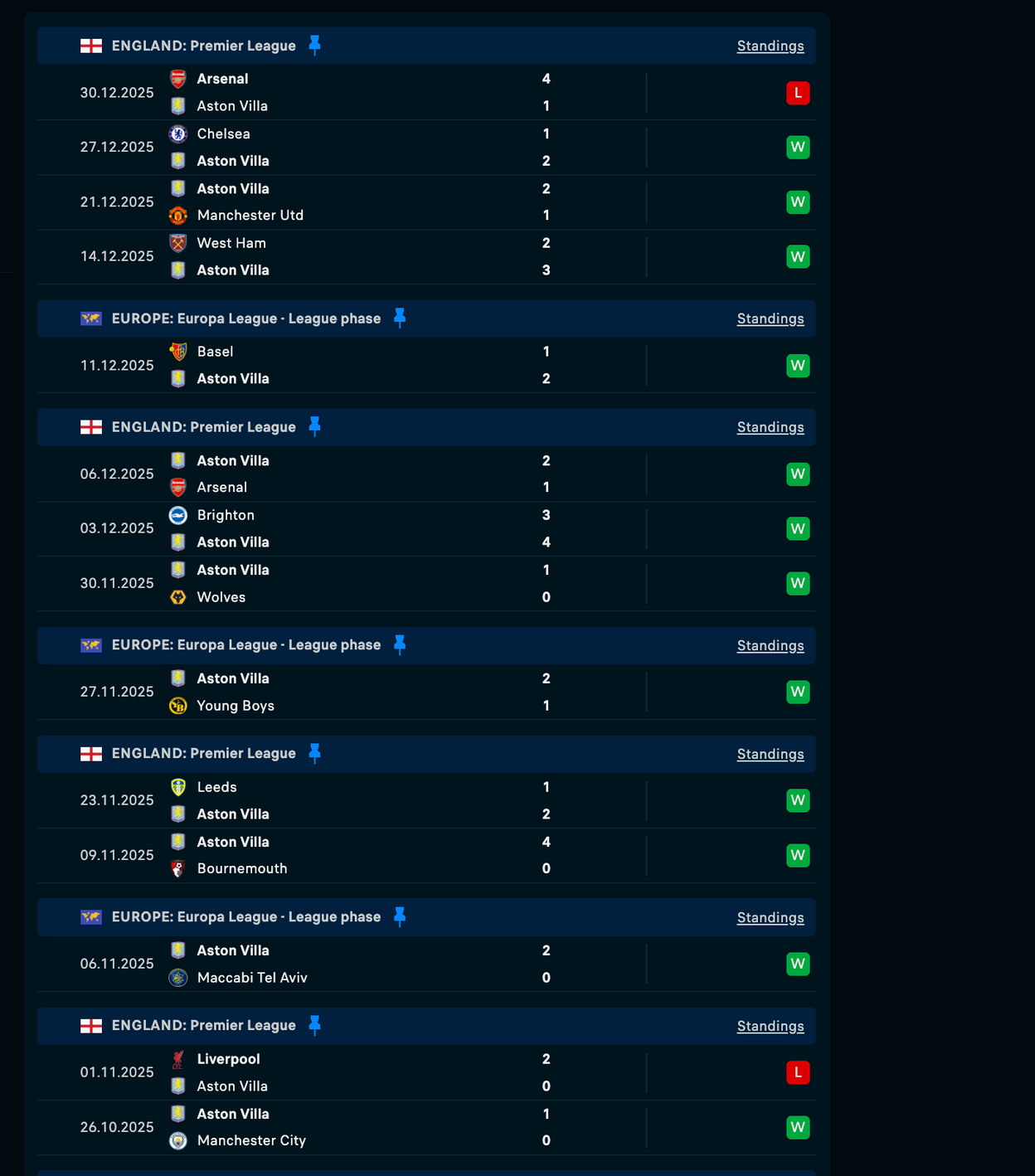
Patterns without explanation are randomness.
A pattern only matters when there is a clear reason behind it:
- Tactical mismatch
- Psychological dominance
- Structural weaknesses
- Repeating strategic behavior
When the explanation exists, value becomes visible.
This level of judgment comes from experience, not spreadsheets.
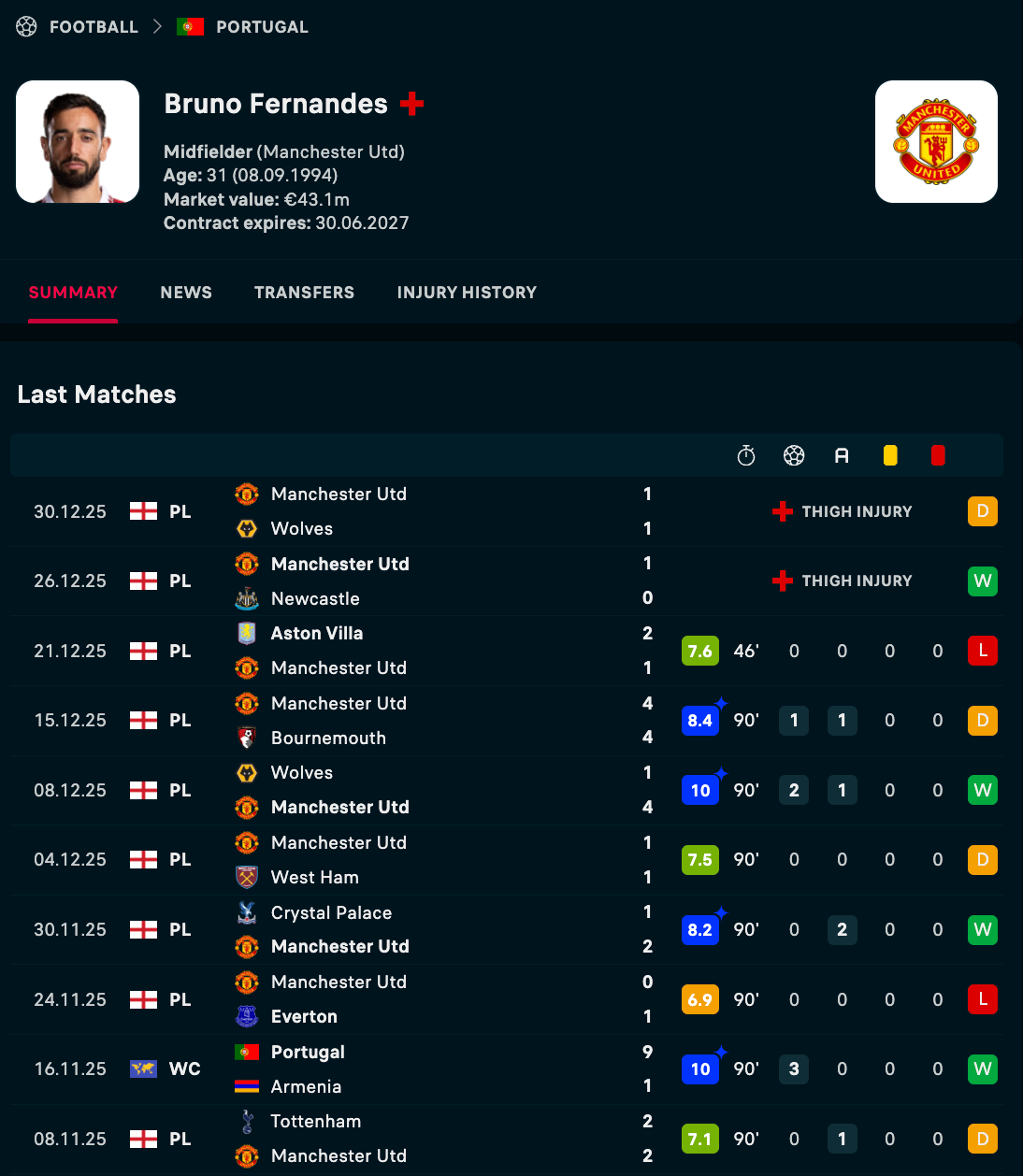
Soccer is played 11 vs 11, but impact is not equal.
Certain players define:
- Tactical identity
- Tempo
- Emotional balance
- Structural stability
Teams missing key players often behave like completely different teams.
Monitoring injuries, rotations, and player availability is mandatory.

The modern game is overloaded.
More matches force teams into constant management decisions:
- Squad rotation
- Competition prioritization
- Energy conservation
Some matches simply do not matter to certain teams.
Understanding real objectives across competitions is essential.
Motivation is not assumed. It is evaluated.
No emotional reactions
Short-term results are noise.
Breaking rules invalidates results, even when profitable.
Access is restricted to individuals capable of executing rules without emotional interference or external validation.